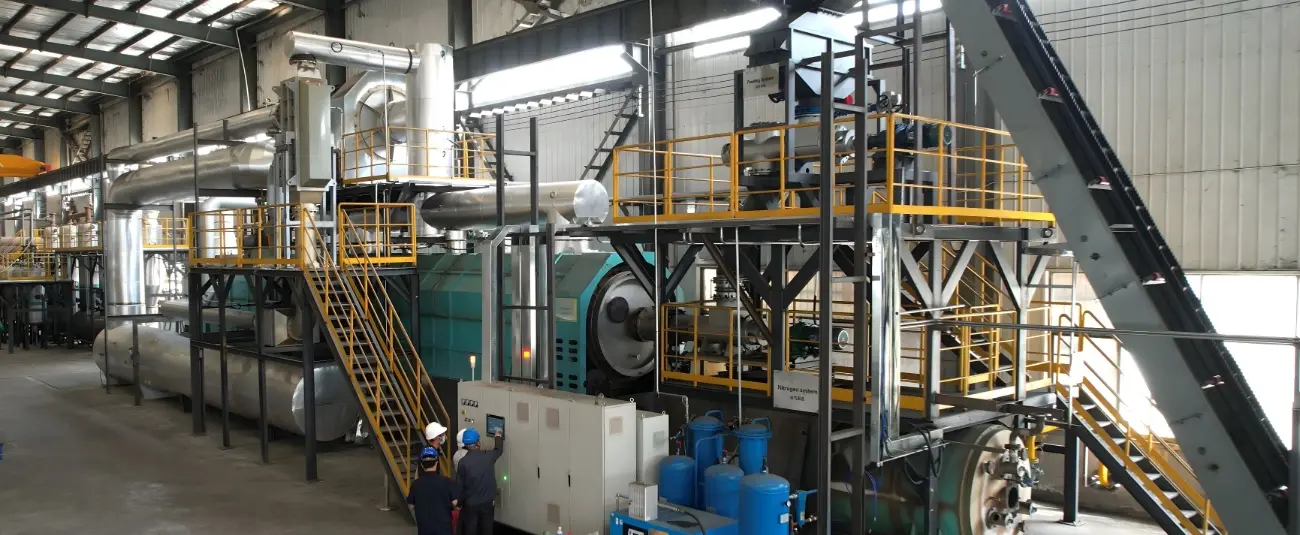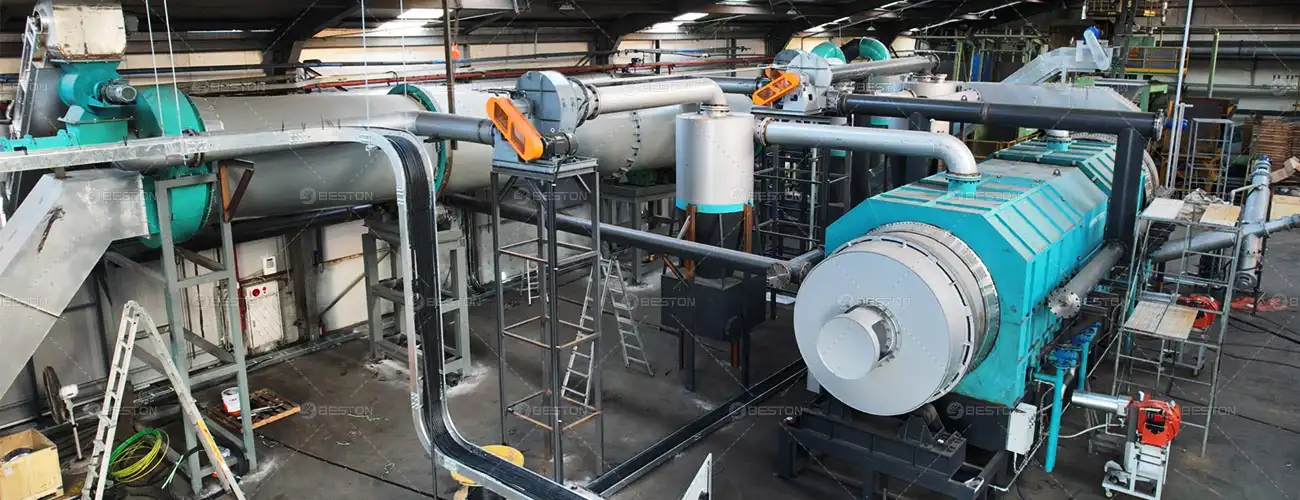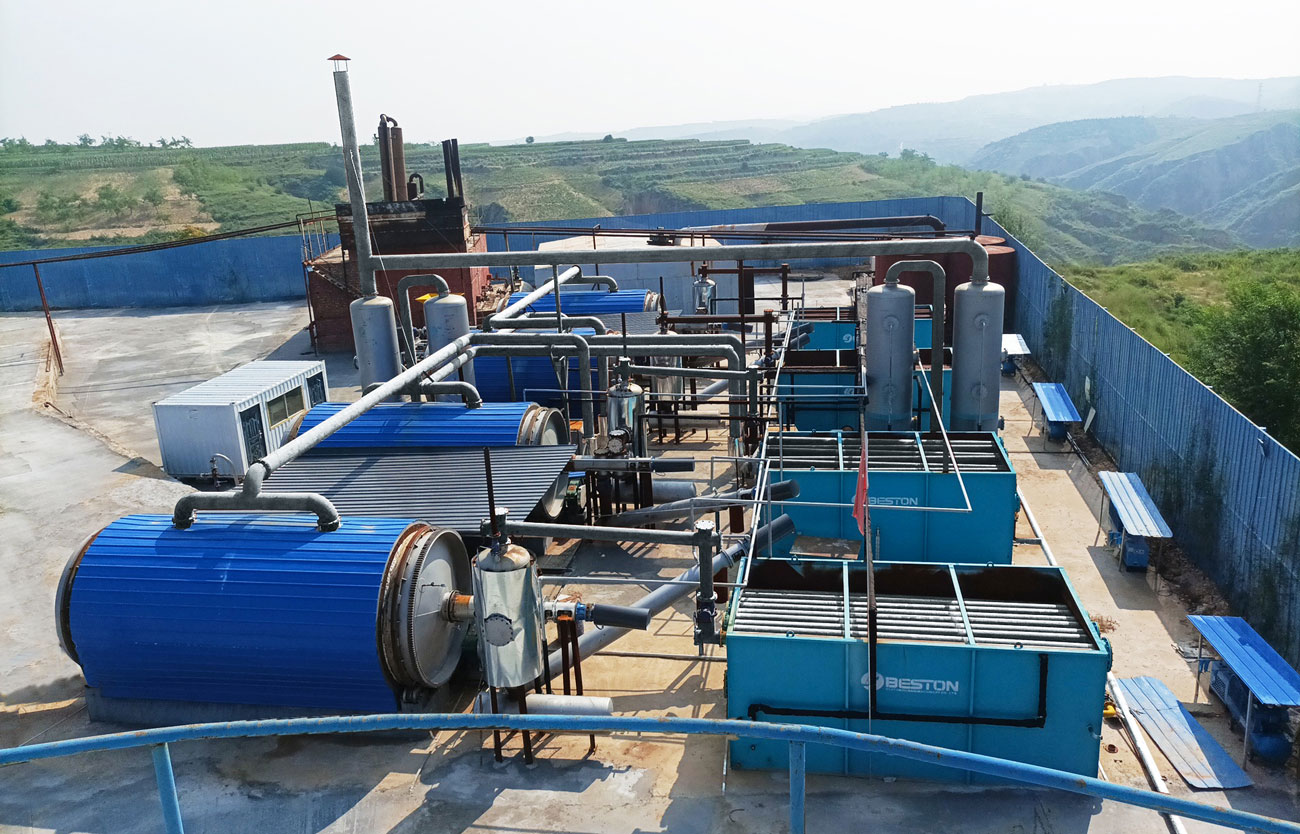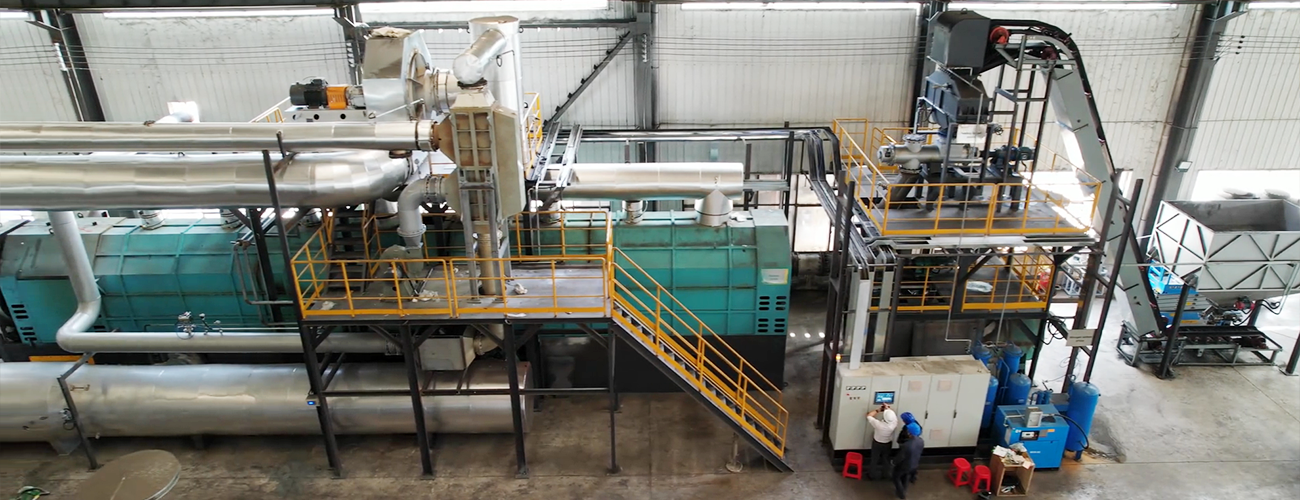
A pyrolysis plant is a thermal conversion facility designed to decompose carbonaceous materials in an oxygen-limited or oxygen-free environment. Unlike conventional combustion, pyrolysis does not primarily oxidize the feedstock. Instead, controlled heating breaks down complex organic compounds into useful fractions such as pyrolysis oil, combustible gas, and carbon-rich solid residue.
The versatility of pyrolysis equipment depends largely on reactor configuration, operating temperature, feedstock composition, and pre-treatment requirements. Several waste streams can be processed, but each requires a specific process envelope.
1. Waste Plastic
Waste plastic is one of the most commercially significant feedstocks for pyrolysis. Polyethylene (PE), polypropylene (PP), polystyrene (PS), and certain mixed plastic fractions can undergo thermal cracking to produce liquid hydrocarbon products.
A plastic to fuel machine typically operates within a controlled temperature range that promotes polymer-chain cleavage while limiting excessive secondary reactions. Plastics with high PE and PP content can generate substantial quantities of liquid oil, while PS tends to produce aromatic-rich fractions.
However, PVC requires particular attention because chlorine-containing compounds can generate corrosive or undesirable substances during thermal treatment. Feedstock sorting, dechlorination, and appropriate gas-cleaning systems are therefore important components of plant design.
2. Waste Tires
End-of-life tires contain rubber, carbon black, steel, and various additives, making them suitable for thermochemical conversion. A waste tire pyrolysis machine can thermally decompose rubber compounds and recover several material streams.
The primary products generally include pyrolysis oil, combustible gas, and recovered carbonaceous material, while steel wire can be separated mechanically after processing. Tire-derived oil can contain a complex mixture of hydrocarbons, so condensation and subsequent purification may be necessary when a higher-grade product is required.
Particle size also matters. Properly prepared tire feedstock provides more consistent heat transfer and can improve reactor stability.

3. Oil Sludge and Petroleum-Contaminated Waste
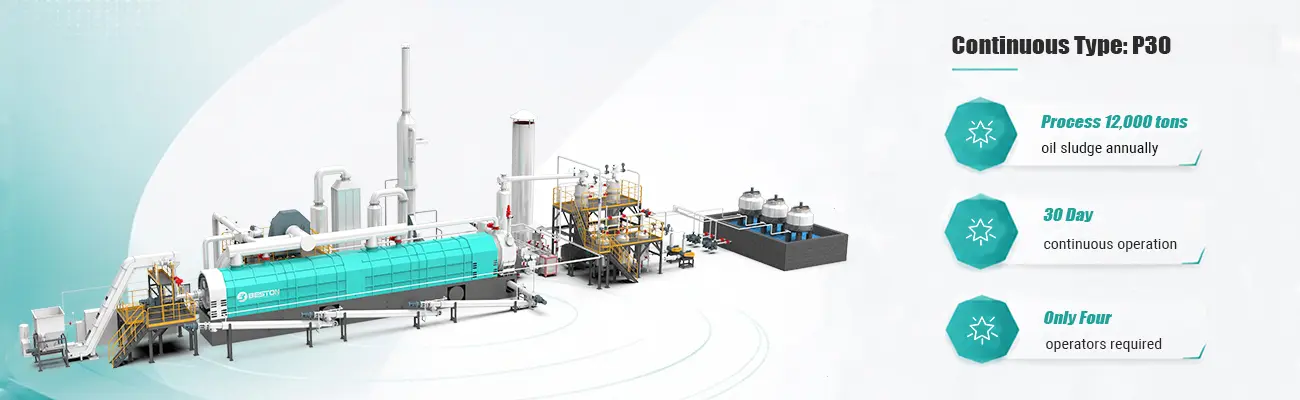
Oil sludge contains hydrocarbons, water, mineral solids, and other contaminants. A thermal desorption system can be used for contaminant removal, while pyrolysis-based treatment can provide a broader thermochemical conversion pathway for suitable hydrocarbon-rich residues.
The process must account for variable moisture and ash content. Effective heating, vapor condensation, and off-gas treatment are particularly important because petroleum-derived feedstocks can contain sulfur and other compounds that influence emissions and product quality.
4. Other Carbonaceous Waste
Depending on reactor design and local regulations, pyrolysis technology may also accommodate materials such as certain rubber waste, sewage sludge, and selected industrial residues. These feedstocks are considerably more heterogeneous, however, and cannot simply be introduced into a standard reactor without evaluation.
A practical assessment should examine moisture content, ash percentage, calorific value, particle size, chlorine and sulfur content, and expected product yield before equipment selection.
Choosing the Right Pyrolysis Technology
Not every waste material is suitable for the same reactor or operating regime. Feedstock characterization should therefore precede the selection of pyrolysis equipment. Continuous systems may be advantageous for large and relatively consistent waste streams, while batch configurations can provide greater flexibility for smaller or variable feedstock volumes.
Ultimately, the most appropriate pyrolysis plant is determined by the relationship between feedstock characteristics, desired products, processing capacity, energy integration, emission control, and regulatory requirements. Properly engineered, pyrolysis can transform difficult waste streams into recoverable hydrocarbons, combustible gas, and carbon-rich materials rather than relying solely on disposal.